


Coconut Sugar Import Guide for Distributors and Wholesalers.
- Gary Taubes

- Jun 26
- 3 min read
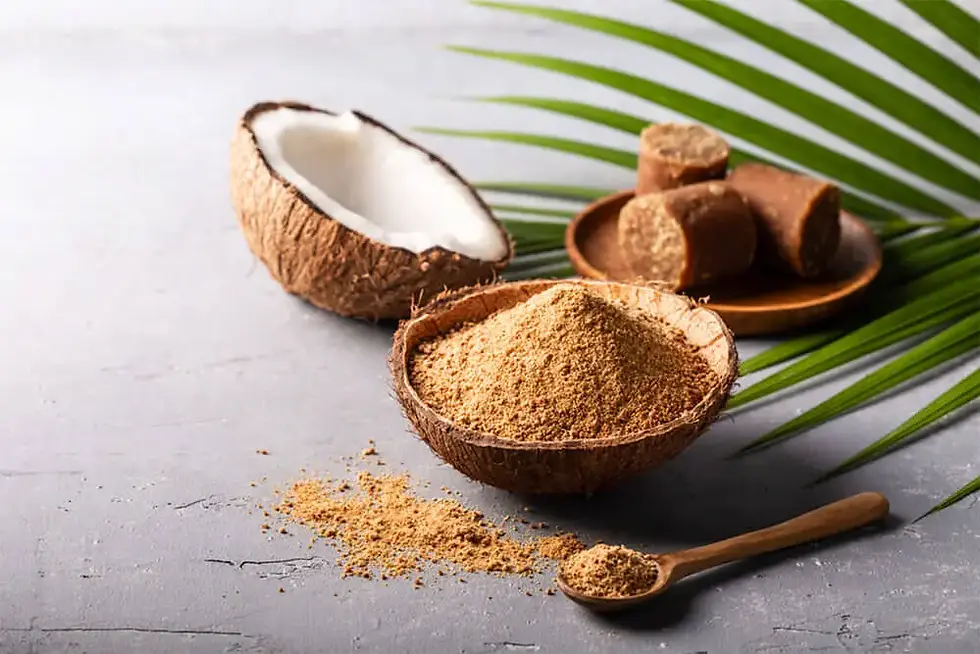
The global demand for natural sweeteners continues to rise, making coconut sugar one of the fastest-growing alternatives to refined cane sugar. Food manufacturers, supermarkets, health food brands, and beverage companies are increasingly sourcing coconut sugar due to its natural origin, rich caramel flavor, and growing consumer preference for clean-label ingredients.
For distributors and wholesalers, importing coconut sugar offers an excellent opportunity to expand product portfolios and meet the increasing demand for healthier sugar alternatives. This guide explains everything you need to know before importing coconut sugar, including supplier selection, certifications, pricing considerations, shipping requirements, and quality standards.
Coconut Sugar Import Guide for Distributors and Wholesalers
Why Coconut Sugar Is Growing in Global Demand
Consumers worldwide are shifting toward minimally processed and plant-based sweeteners. Coconut sugar has become popular because it is produced from the sap of coconut palm blossoms rather than refined sugar cane.
Major importing markets include:
United States
Canada
European Union
Australia
United Kingdom
Japan
South Korea
Middle East
Industry market intelligence shows that coconut sugar is increasingly positioned as a premium specialty ingredient within the global food industry, with demand driven by natural and organic food products.
Major Coconut Sugar Producing Countries
Most commercial coconut sugar exports originate from Southeast Asia, particularly:
Indonesia
Philippines
Thailand
Vietnam
Indonesia remains one of the world's leading suppliers thanks to its abundant coconut plantations and established export infrastructure.
Review the market's trajectory and CAGR projections through 2035 via Vynz Research.
Types of Coconut Sugar Available for Import
Distributors and wholesalers can source several product variations depending on customer demand:
Organic Coconut Sugar
Produced under certified organic farming practices and suitable for organic food manufacturers.
Conventional Coconut Sugar
Ideal for industrial food production where organic certification is not required.
Granulated Coconut Sugar
The most commonly traded form used in:
Baking
Beverage manufacturing
Confectionery
Food processing
Liquid Coconut Sugar (Coconut Nectar)
Popular among beverage companies and specialty food manufacturers.
Explore European market adoption trends for natural sweeteners at CBI.EU.
Quality Standards Every Importer Should Verify
Before placing a purchase order, distributors should request complete product documentation.
Essential documents include:
Certificate of Analysis (COA)
Food Safety Certification
HACCP Certification
ISO 22000 Certification
Organic Certification (if applicable)
Microbiological Test Reports
Heavy Metal Testing
Moisture Analysis
European buyers also expect compliance with food safety, traceability, labeling, and contamination requirements, along with proper technical documentation.
 |
Certifications That Increase Buyer Confidence
Reliable exporters typically maintain internationally recognized certifications such as:
HACCP
ISO 22000
FSSC 22000
Organic Certification (USDA Organic/EU Organic where applicable)
Halal Certification
Kosher Certification
These certifications help distributors supply supermarkets, retailers, food manufacturers, and private-label brands worldwide.
How to Choose a Reliable Coconut Sugar Supplier
Selecting the right supplier is critical for long-term success.
Consider the following:
Export experience
Production capacity
Quality consistency
Third-party laboratory testing
Product traceability
Competitive pricing
On-time shipment history
Flexible packaging options
Responsive customer support
Experienced suppliers should also provide complete export documentation and maintain strong food safety management systems.
Shipping and Packaging Considerations
Because coconut sugar is moisture-sensitive, proper packaging is essential.
Common bulk packaging includes:
25 kg Kraft Paper Bags
Food-grade Poly Bags
500 kg Jumbo Bags
Private Label Retail Packaging
Most international shipments move via:
20-foot Containers
40-foot Containers
Maintaining low moisture content helps preserve product quality during long-distance transportation.
Import Regulations
Every importing country has specific food safety requirements.
Importers should verify:
Product labeling regulations
Customs documentation
Country-specific food safety standards
Organic certification recognition
Import duties and tariffs
HS Code classification
For many markets, imported sugar and sweeteners must comply with equivalent food hygiene and compositional standards.
Benefits for Distributors and Wholesalers
Importing coconut sugar provides several commercial advantages:
Expanding health food product lines
Supplying private-label brands
Serving food manufacturers
Higher value compared to conventional sugar
Growing international demand
Opportunities in premium retail markets
As consumer interest in natural sweeteners continues to increase, wholesalers can strengthen their market position by partnering with dependable exporters.
Finding a Trusted Export Partner
Working directly with experienced exporters helps ensure:
Consistent product quality
Reliable shipping schedules
Competitive wholesale pricing
Complete export documentation
Long-term supply stability
For businesses seeking dependable sugar export solutions and bulk product inquiries, visit: Brazilian Sugar Supplier
Conclusion
Coconut sugar has become one of the most promising specialty sweeteners in international trade. For distributors and wholesalers, successful importing depends on selecting certified suppliers, verifying product quality, understanding import regulations, and maintaining reliable logistics.
By focusing on internationally recognized certifications, traceability, proper documentation, and long-term supplier relationships, importers can build a sustainable and profitable coconut sugar business while meeting the growing global demand for natural sweeteners.


Comments